
How to Tell If Holistic Wellness Products Work
· Terri Speid

Last Updated: November 14, 2026
Quick Summary
Holistic wellness products are effective mainly as tools that support habits you already practice, not as treatments for disease. Judge them by their claims: products that say they support relaxation or a gratitude habit are reasonable, while those promising to cure or treat a condition need evidence behind them.
- Holistic health examples fall into three groups: practices you do, tools that support them, and substances you take.
- Look for words like supports and may help, not cures, treat, or prevent.
- Give a practice several weeks before judging whether it works for you.
- Talk to your clinician before adding any supplement or device if pregnant, managing a chronic condition, or taking medication.
- Choose one small support, use it consistently, and let the practice do the real work.
Table of Contents
- Holistic Wellness Definition: What It Actually Covers
- Holistic Health Examples: Where Products Fit and Where They Don't
- Holistic Health Practices That Support Emotional Holistic Health
- How to Evaluate Holistic Health Practices and Product Claims
- Frequently Asked Questions
Holistic Wellness Definition: What It Actually Covers
Holistic wellness is a way of caring for your whole self, body, mind, emotions, and spirit, rather than treating each part in isolation. This guide from Grace & Cadence looks at the honest question underneath the marketing: are holistic wellness products effective, and how would you know?
The short answer is that it depends on the product and the claim. A journal or a quiet mat can support a practice you already do.
Holistic wellness draws on traditions that treat the person as a whole, and many of those practices now sit alongside modern care rather than replacing it. The useful distinction is between tools that support a habit and products that promise an outcome. Only the first kind earns a place on your shelf without further scrutiny.
Holistic Health Examples: Where Products Fit and Where They Don't
Holistic health examples fall into three rough groups: practices you do, tools that support those practices, and substances you take. The first two are where most home wellness products live, and they are usually the safest place to start.
A journal, an acupressure mat, a diffuser, a warm massage pad: these can support rest, reflection, and relaxation routines. They are not intended to treat disease. If chronic pain is part of your story, our gentle guide to holistic pain relief for chronic illness goes deeper into what helps and what to expect.
Holistic Health Practices That Support Emotional Holistic Health
Emotional holistic health grows from small, repeatable practices: naming what you are grateful for, breathing slowly, giving your body a quiet place to settle. These cost little and ask only consistency.
- Gratitude journaling, a few lines each day
- Gentle stretching or breathwork before bed
- Aromatherapy as a cue for calm
- Acupressure or massage for tension release
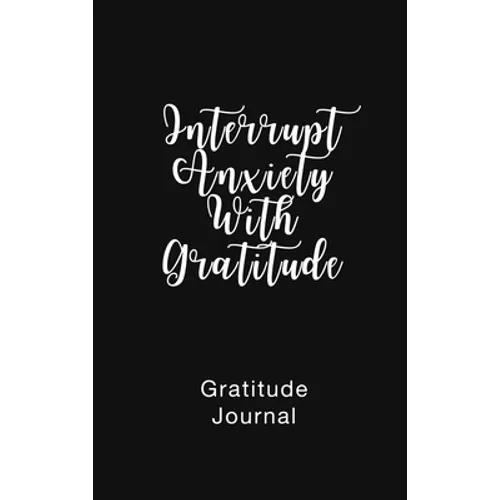
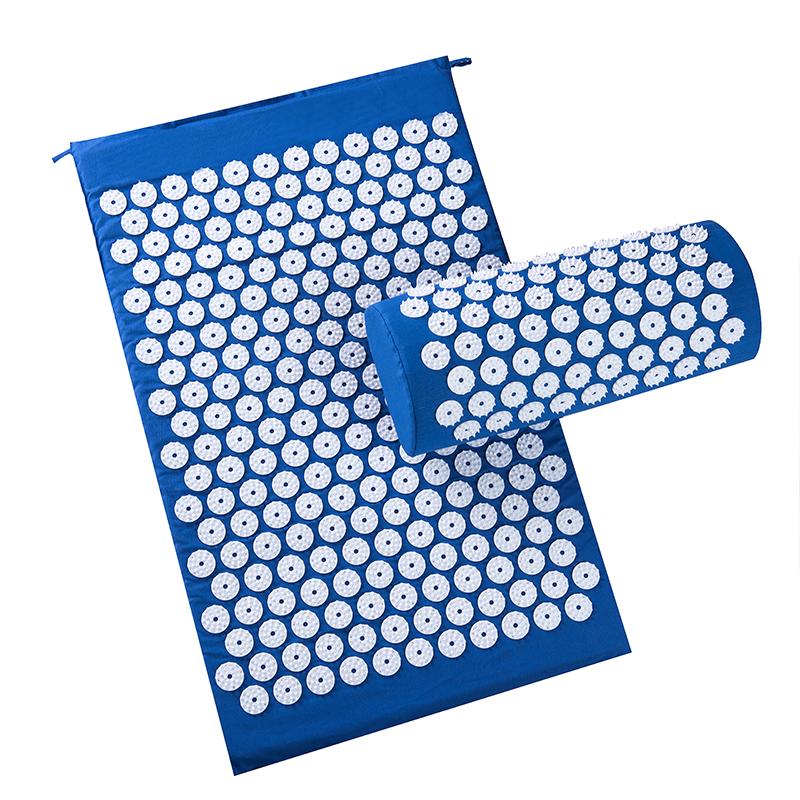
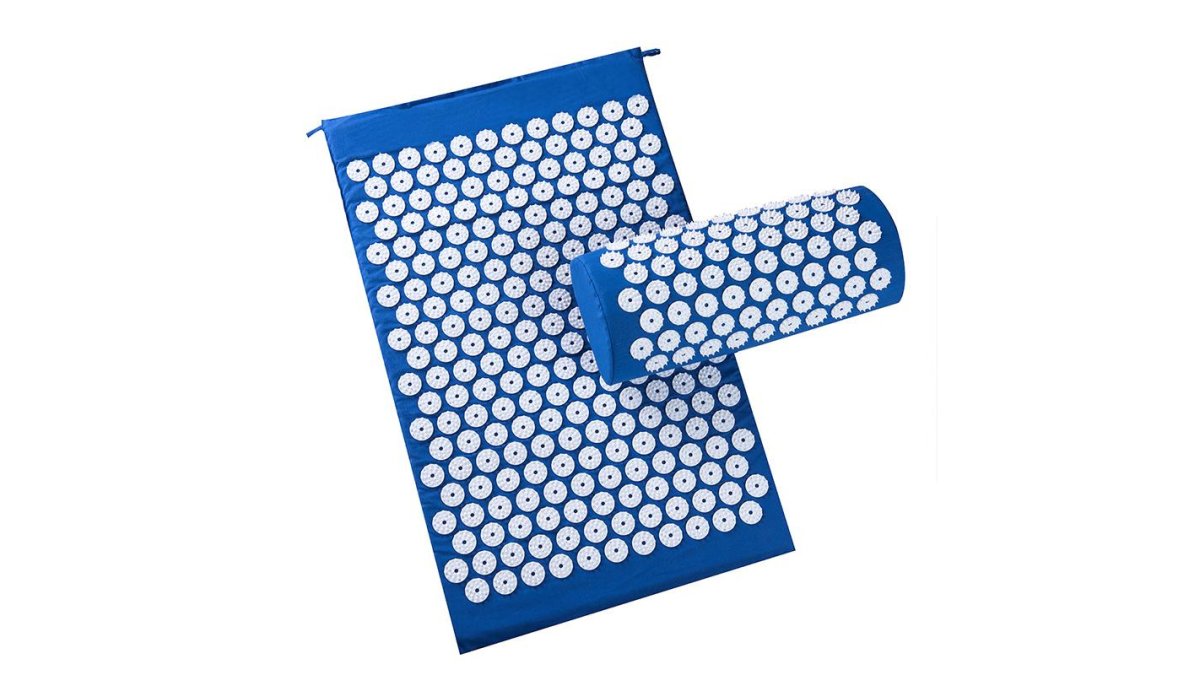
A daily gratitude journal gives that practice a home, and an acupressure mat and pillow set creates a physical pause in the day. If anxiety is the specific concern, read our piece on the real benefits of aromatherapy for anxiety before you buy anything.
How to Evaluate Holistic Health Practices and Product Claims
Start with the label and the language. A product that describes itself as supporting relaxation is making a modest, honest claim. One that promises to cure, treat, or prevent a condition is making a medical claim, and you should ask what evidence stands behind it.
- Check the ingredient or materials list for plainness
- Look for "supports" and "may help," not "cures"
- Search the product name plus "review" and "safety"
- Ask your doctor or pharmacist about anything you swallow
- Give a practice several weeks before judging it
For a worked example of how to weigh a trend, our look at the benefits of red light therapy recovery separates what is promising from what is proven. The FDA's guidance on dietary supplements and the NCCIH's overview of complementary health approaches are both worth reading before you spend.
| Claim Type | What It Sounds Like | How to Treat It |
|---|---|---|
| Comfort support | "Helps you relax" | Reasonable for a rest tool |
| Practice aid | "Supports a gratitude habit" | Judge by whether you use it |
| Structure/function | "Supports calm mood" | Check the ingredient evidence |
| Medical claim | "Treats anxiety" | Ask for evidence, consult a professional |
If you are pregnant, managing a chronic condition, or taking medication, talk to your clinician before adding any supplement or device. That is not caution for its own sake; it is the difference between a supportive practice and an avoidable risk.
When you are ready to build those practices into your home, it helps to start with tools that match the habit you actually want to keep. Our Mindfulness & Self-Care collection gathers quiet, practical pieces for exactly that, and Sleep & Relaxation focuses on the wind-down routines that make rest feel less like a struggle. Choose one small support, use it consistently, and let the practice, not the product, do the real work.
The honest challenge is not finding more wellness products. It is choosing a few that fit your life and using them consistently. At Grace & Cadence, we curate recovery gear, aromatherapy, and reflective literature with exactly that in mind, and our Mindfulness & Self-Care collection is a calm place to start. Get started with Grace & Cadence and build a routine that supports your whole self.
Frequently Asked Questions
Do holistic remedies really work?
It depends on the remedy and the claim. Some holistic health practices, such as relaxation techniques and journaling, have good support for helping people feel calmer and more grounded. Others, including many dietary supplements and herbal treatments, have mixed or limited clinical evidence. The key is to match the product to a realistic goal and to treat it as a complement to, not a replacement for, care from a healthcare professional.
How can you tell whether a wellness product is supported by evidence?
Look for clear, specific claims rather than vague promises. Check whether the product listing names its ingredients or materials, describes how the item is used, and avoids language about diagnosing or curing disease. Search for the ingredient or practice in reputable health sources, and ask whether the evidence comes from human studies or only laboratory work. A product that is honest about its limits is usually a safer bet than one that promises everything.
Are natural wellness products safe to use?
Natural does not automatically mean safe. Herbal treatments and dietary supplements can interact with medications, and some are not recommended during pregnancy or certain health treatments. Always read the label, follow the manufacturer's instructions, and consult a healthcare professional before adding a new supplement or device to your routine, especially if you are managing a health condition or taking prescription medicine.
