
Meaningful Gifts for Cancer Survivors: Comfort After Treatment
· Editorial Team

Last Updated: November 2, 2026
Quick Summary
The most meaningful gifts for cancer survivors are specific, useful, and quiet in their message, meeting the person where they actually are rather than buying for the diagnosis. Practical recovery items like supportive pillows, soft socks, and unscented body cream ease daily life, while a handwritten card offers genuine encouragement.
- Ask a family member which season the survivor is in before you shop for a gift.
- Build care packages around four needs: comfort, distraction, nourishment, and encouragement.
- Avoid strongly scented products, diet advice, and gag gifts about hair loss or sickness.
- Keep card messages short and specific, and skip advice or comparisons to others.
- Choose unscented, loose, lightweight, non-food items when you cannot ask about sensitivities.
Table of Contents
- What Makes a Gift Meaningful for a Cancer Survivor
- Practical Gifts for Cancer Recovery That Ease Daily Life
- Building a Care Package for Cancer Survivors
- Gifts for Someone Finishing Chemotherapy: Marking the Milestone
- What to Write in a Card for a Cancer Survivor
- What Not to Give and How to Avoid Insensitive Messages
- Choosing Your Gift at Grace & Cadence
- Frequently Asked Questions
What Makes a Gift Meaningful for a Cancer Survivor
Meaningful gifts for cancer survivors meet the person where they actually are: tired, changed, hopeful, and often overwhelmed by well-intentioned clutter. The most thoughtful gifts for cancer survivors tend to be specific, useful, and quiet in their message.
That distinction matters more than most gift guides admit. Survivors receive plenty of flowers and teddy bears during treatment.
This guide from Grace & Cadence focuses on the part most lists skip: life after treatment ends. Below, we break down practical recovery gifts, how to build a care package step by step, what to write in a card, and which gifts to avoid entirely.
A common mistake is buying for the diagnosis instead of the person. Someone finishing radiation may want celebration. Someone still recovering from surgery may want nothing but comfort. Ask a family member which season the survivor is in before you shop.
Practical Gifts for Cancer Recovery That Ease Daily Life
Practical gifts win because recovery is physical. After surgery, small movements hurt. Seat belts press on tender areas. Drains tug. Skin dries out from treatment. A gift that solves one of those problems gets used every single day.
Start with the body's basics: warmth, pressure relief, and skin care.
- Supportive pillows that take weight off the chest or underarm
- A seatbelt shield for rides to appointments
- Soft, stretchy socks for cold infusion rooms and nerve sensitivity
- Unscented body cream and lip balm for dry, cracked skin
- A weighted eye pillow that can be heated or chilled for rest
One of the most complete options we carry is the Rise Up and Recover mastectomy pillow recovery kit, designed to provide comfort, relief, and practical assistance for those healing from breast or chest surgery.

For survivors who want a broader mix, the Sweetest Rest & Recovery Box offers a gentle reminder to stop and rest as part of the recovery process, with soothing items for relaxation.

Building a Care Package for Cancer Survivors
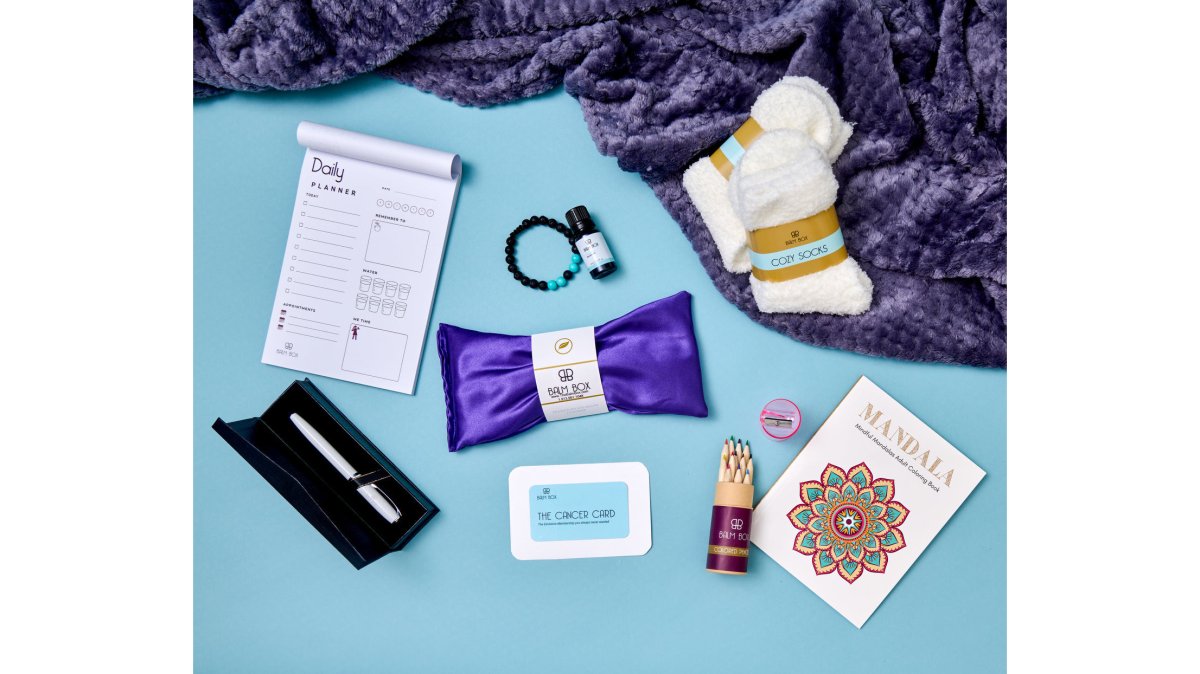
A care package for cancer survivors works best when it covers four needs: comfort, distraction, nourishment, and encouragement. Build around those categories and you will never hand over a basket of random items.

Think in layers. The base is physical comfort, things the body touches. The middle is distraction, things that pass long hours. The top is emotional support, something written or made by hand. A package with all three feels complete without being expensive.
How to Assemble a Care Package Step by Step
- Ask one question first. Check with a family member about allergies, scent sensitivity, and surgery restrictions before buying anything.
- Choose a container that gets reused. A canvas tote or sturdy basket serves the survivor long after the wrapping is gone.
- Add one comfort item. Soft socks, a small throw, or a heated eye pillow.
- Add one distraction. A coloring book with pencils, a puzzle, or a short novel.
- Add one skin-care item. Unscented lotion or lip balm, since treatment often makes skin dry and reactive.
- Add one written note. A card in your own words beats anything printed.
- Skip the extras. No confetti, no strong fragrances, no food without checking dietary needs first.
If you would rather not assemble one yourself, our mastectomy care package was curated with input from the cancer community.
Gifts for Someone Finishing Chemotherapy: Marking the Milestone
The end of chemotherapy is strange territory. People expect joy, and joy is there, but so is exhaustion, anxiety about scans, and a body that still feels foreign. A milestone gift should acknowledge the achievement without demanding the survivor perform happiness.
Choose gifts that look forward without erasing what just happened. A journal invites reflection on what comes next. An affirmation deck gives a small daily ritual. A book of survivor stories reminds someone they are not walking alone. A soft tee with a message like "Stronger than the Storm" works because it is wearable encouragement, not a reminder of illness.
The Recovery Affirmation Card Deck fits this moment well. The deck is designed for daily reflections and moments when extra encouragement is needed.
Watch out: avoid gifts that imply the hard part is over. Comments like "you're cured now" or "back to normal" can sting when follow-up scans and fatigue continue for months.
Gifts for Life After Treatment, Not Just the Last Infusion
Most gift guides stop at the chemo finish line. Survivors know the months after treatment are their own season: follow-up appointments, lingering fatigue, neuropathy, brain fog, and the quiet work of rebuilding a sense of self.
Think in terms of what the body and mind still need.
For survivors returning to work or caregiving, small practical items matter: a lightweight tote for medical paperwork, a refillable water bottle with time markers, or a soft scarf that doubles as a neck pillow on long drives to appointments.
A common pattern is that survivors feel pressured to be grateful and energetic once treatment ends. A gift that quietly supports rest and low-energy days gives permission to recover at their own pace.
The Best Mastectomy Care Package →
What to Write in a Card for a Cancer Survivor
Keep it short, specific, and free of advice. The best card messages name what you admire in the person, offer concrete help, and skip comparisons to other people's journeys.
Try this structure:
"[Name], watching you move through this year has changed how I think about courage. I am not going to tell you to stay positive. I am going to tell you I am here: for rides, for meals, for sitting in silence. Whenever you want any of it, say the word."
A few lines that work for almost anyone:
- "You do not have to be strong today. I am glad you exist."
- "I am bringing dinner on Thursday. No reply needed."
- "I am proud of you, and I am not going anywhere."
What to leave out: miracle cures, stories about someone's aunt who tried a special diet, and anything that starts with "at least." Survivors hear enough advice. A card should feel like a hand on the shoulder, not a to-do list.
What Not to Give and How to Avoid Insensitive Messages
Some gifts create quiet hurt. Knowing which ones to skip protects the survivor from having to fake gratitude.
Avoid these:
- Anything that implies the illness is a lesson or a blessing
- Diet and supplement advice, especially unrequested
- Strongly scented products, since treatment often heightens sensitivity
- Books about "beating" cancer unless the person asked
- Jewelry with pink ribbons when the survivor has not embraced that identity
- Gag gifts about hair loss or sickness
Language matters too. "You look great" can feel like pressure. "You're so brave" can feel like a role to maintain. Simple presence beats praise. If you want to offer help, be specific: "I can drive you to your next appointment" lands better than "let me know if you need anything."
How to Choose Gifts Around Side Effects and Sensitivities
A gift that suits one survivor can be wrong for another. Radiation can leave skin tender and reactive, so strong fragrances, essential oils, and exfoliating scrubs may irritate. Surgery can limit reach and mobility, so heavy blankets or tight clothing may be hard to use.
A practical rule is to ask one specific question before buying: "Is there anything scented, tight, heavy, or food-related I should avoid?" That single check prevents most mismatches. If you cannot ask, choose unscented, loose, lightweight, and non-food items.
Infection precautions also matter. During and shortly after treatment, immune systems can be fragile, so fresh flowers, live plants, and perishable foods may not be appropriate. A delivered meal arranged with the family is one option to consider. When in doubt, ask before sending anything that could carry germs or spoil.
Knowing which gifts to skip protects the survivor from having to fake gratitude. For those considering alternative comfort options, this article on natural pain relief helps avoid giving something impractical or insensitive.
| Gift to avoid | Why it can hurt |
|---|---|
| Anything implying illness is a lesson or blessing | Frames suffering as something to be grateful for |
| Diet and supplement advice | Unrequested advice adds pressure |
| Strongly scented products | Treatment often heightens sensitivity |
| Books about "beating" cancer | Only if the person asked |
| Jewelry with pink ribbons | Not every survivor has embraced that identity |
| Gag gifts about hair loss or sickness | Makes light of real distress |
Choosing Your Gift at Grace & Cadence
Our approach is simple: pick the gift that matches the survivor's current season, not the one that looks best in a photo.
Every product in our collection is chosen to support wellness, faith, and steady self-care, and our care packages are curated with a focus on the cancer community.
Best for: friends and family who want a gift that gets used, not stored. Skip if: you know the survivor prefers no gifts at all. In that case, send a card and a promise of a meal.
Frequently Asked Questions
What is a thoughtful gift for a cancer survivor?
A thoughtful gift meets a survivor where they are: tired, healing, or rebuilding routines. Soft socks, a lavender eye pillow, a guided journal, or a curated care package all work because they support rest and reflection without drawing attention to the diagnosis. Grace & Cadence's Sweetest Rest & Recovery Box pairs cozy socks, a weighted eye pillow, and lavender oil, so the gift feels calming and useful from the first day.
What should you put in a care package for a cancer survivor?
Start with comfort and practicality: cozy socks, unscented lip balm, a soft throw blanket, a coloring book, and a journal. Add a handwritten note and one small treat. A care package for cancer survivors works best when it covers warmth, rest, and a quiet activity for appointment days. Keep scents mild, since treatment can make strong fragrances hard to tolerate.
What are practical gifts for cancer recovery?
Practical gifts for cancer recovery solve a real daily problem. A mastectomy pillow protects tender areas, a seatbelt shield makes car rides comfortable, and a drain holder keeps surgical drains manageable at home. The Rise Up and Recover kit is designed to provide comfort, relief, and practical assistance during recovery.
What should you avoid giving a cancer survivor?
Skip gifts that imply the survivor needs fixing, such as diet books, supplements with big claims, or items tied to a specific outcome. Avoid strong perfumes, since treatment can make scent overwhelming. Steer clear of messages like 'everything happens for a reason' or 'stay positive.' A calm note that says you are thinking of them, with no advice attached, lands far better.
How can I support a cancer survivor without focusing on their diagnosis?
Choose gifts that fit their life beyond treatment: a canvas tote for errands, a gratitude journal, an inspirational tee, or a massage mat for unwinding at home. Pair the gift with an offer of something practical, like a meal drop-off or a ride to an appointment. Letting them talk about ordinary things keeps the focus on who they are, not just what they went through.
Gift-giving after cancer is not about finding the perfect object. It is about paying attention. If you would rather hand over something already assembled with care, browse our recovery kits and journals, add one to your cart, and let the survivor rest while you handle the details.
