
Finding Peace During Cancer Recovery: A Gentle Guide
· Terri Speid

Last Updated: November 19, 2026
Quick Summary
Finding peace during cancer recovery means practicing calm daily rather than waiting for it to arrive, since treatment often ends before the emotional work begins. Small, repeatable practices like three slow breaths, a two-minute pause, or one repeated anchor word work better than long sessions, especially on low-energy days.
- Name what you miss after treatment and build one small daily anchor, like a morning walk.
- On fatigue days, use micro-pauses: three slow breaths at the kitchen sink or one full exhale before answering the phone.
- For scanxiety, schedule something gentle for the day of and the day after imaging.
- Seek professional support when distress interferes with sleep, eating, work, or relationships for more than a couple of weeks.
- Offer loved ones specific help like bringing dinner Thursday instead of asking what they need.
Table of Contents
- Why Peace Can Feel Out of Reach During Cancer Recovery
- Feeling Lost After Cancer Treatment: Making Sense of the In-Between
- Mindfulness During Cancer Recovery: Small Practices for Calm
- Coping With Fear of Cancer Recurrence: Living With Uncertainty
- Supporting a Loved One With Cancer: Practical Ways to Help
- When to Seek Professional Support for Emotional Distress
- Frequently Asked Questions
Why Peace Can Feel Out of Reach During Cancer Recovery
Peace can feel out of reach during cancer recovery because treatment ends before the emotional work begins. Appointments stop, and the fear does not. Learning how to find peace during cancer recovery starts with accepting that calm is something you practice, not something you wait for.
That gap between physical recovery and emotional recovery is normal. It is also one of the least talked-about parts of survivorship.
Many survivors describe feeling relieved and terrified at the same time. Both feelings are real. Neither one cancels the other out.
For a deeper look at the spiritual side of that struggle, read how do you find spiritual comfort during cancer treatment.
Feeling Lost After Cancer Treatment: Making Sense of the In-Between
Feeling lost after cancer treatment is common, and it usually shows up right when everyone expects you to feel great. Friends say "you're done!" and you smile. Inside, you may feel adrift.
Treatment gave your days a structure. Now the calendar is open, and that openness can feel heavy rather than free.
A few things help with this in-between season:
- Name what you miss, whether it is routine, certainty, or your care team
- Build one small anchor for each day, like a morning walk or a set time to check in with yourself
- Let yourself grieve the life you had before diagnosis
- Write down what you want the next chapter to hold
Being patient with yourself is not a slogan here. It is a practical skill, and it takes daily practice.
Mindfulness During Cancer Recovery: Small Practices for Calm
Mindfulness during cancer recovery means paying gentle attention to the present moment without judging it. Small, repeatable practices work better than long sessions.

The practices below are adapted for the realities of recovery: low energy, pain, neuropathy, and the cognitive fog many survivors call "chemo brain." Pick one, not all of them. Consistency matters more than variety.
If fatigue is your main barrier. Skip the long meditation and use what practitioners call "micro-pauses": three slow breaths at the kitchen sink, a ten-second body check at a red light, or one full exhale before you answer the phone. Fatigue responds better to many tiny rests than to one big session you keep postponing. Some people find it easier to keep a habit when they attach a micro-pause to something they already do, such as brushing teeth or waiting for the kettle.
If pain or neuropathy is your main barrier. Sitting still can make discomfort louder.
If cognitive fog is your main barrier. Drop the journaling and the multi-step routines.
A simple daily rhythm you can adapt:
- Morning: three slow breaths before you get out of bed, naming one thing you are grateful for, or one thing you are simply glad is over
- Midday: a two-minute pause, feet on the floor, noticing what your body feels without trying to fix it
- Evening: one sentence in a journal about how the day actually went, not how you wish it had gone
- Before bed: a short prayer or quiet reflection, letting the day close
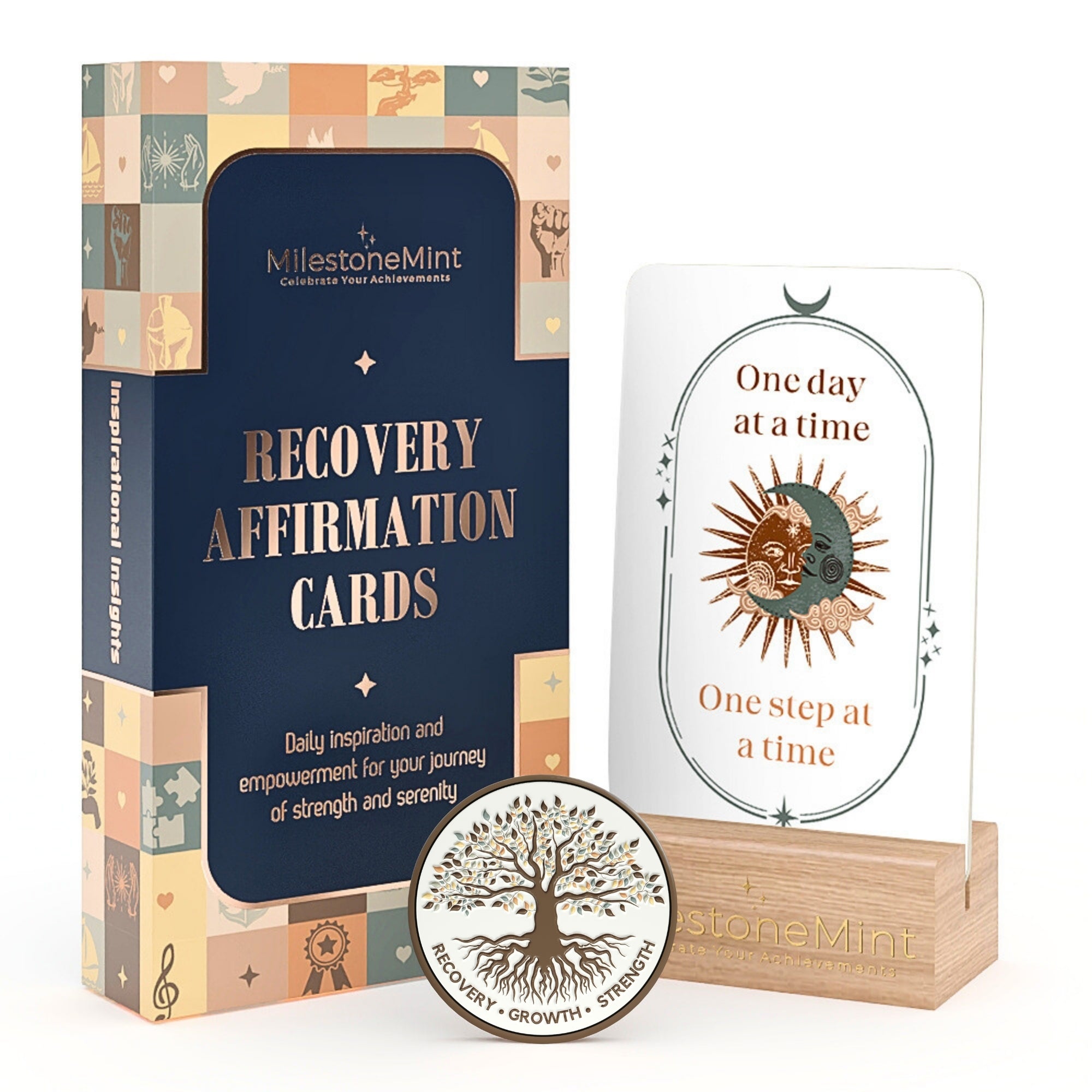
A physical practice can help you stay consistent when motivation dips. Our Recovery Affirmation Card Deck gives you one short, encouraging message to hold onto each day, useful on foggy days when you cannot remember what you meant to do. If you prefer writing, the Daily Gratitude Journal offers undated prompts and affirmation space, so you can start whenever you are ready and move at your own pace, skipping days without guilt.
Watch out: if a practice starts to feel like another item on a to-do list you are failing, shrink it rather than abandon it. One breath counts.
Coping With Fear of Cancer Recurrence: Living With Uncertainty
Coping with fear of cancer recurrence means learning to live alongside uncertainty instead of waiting for it to disappear. Scans, anniversaries, and stray aches will trigger worry.
The hardest stretch for many people is not the scan itself but the days around it. Many people describe a stretch of anxiety that can build before imaging and ease once results arrive.
A workable scanxiety plan.
- Before the scan: schedule something gentle for the day of and the day after, a walk, a meal with someone safe, a favorite show. Do not leave those days blank.
- During the wait: give the fear a container. Set a short window each day to write down your worries, then close the notebook. When fear rises outside that window, remind yourself it has a time and place later.
- At results: bring one person with you if you can, and write down what the care team says. Anxiety makes it hard to retain information, and a second set of ears helps.
- After results: whether the news is clear or needs follow-up, give yourself a day before making any big decisions. Relief and fear both distort judgment.
Anniversaries and stray aches. The date of diagnosis, the date of surgery, and the end of treatment can all land harder than expected.
Open communication with loved ones. Telling someone "I am scared today" is lighter than carrying it silently.
For anxiety that settles in your body, our article on faith-based tools for anxiety walks through calming practices you can use at home.
Supporting a Loved One With Cancer: Practical Ways to Help
Supporting a loved one with cancer works best when you offer specific help instead of general offers. "Let me know if you need anything" puts the work back on them. "I am bringing dinner Thursday" does not.
Practical ways to show up:
- Drive them to appointments and sit in the waiting room
- Take one chore off their list each week
- Listen without rushing to fix or reassure
- Ask about boundaries before visiting, and respect the answer
- Check in on the caregiver too, who often carries a quiet load
Family support and social support both matter, but they look different for every person. Ask what they actually want.
When to Seek Professional Support for Emotional Distress
Seek professional support when sadness, fear, or anxiety starts to interfere with sleep, eating, work, or your relationships for more than a couple of weeks. Distress that lingers is not a personal weakness.
Signs it may be time to reach out:
- You feel hopeless or numb most days
- You are avoiding people and places you used to enjoy
- Sleep or appetite has changed and stayed changed
- You are relying on alcohol or other substances to cope
Start with your oncology team. They can point you to counselors who work with survivors, and many hospitals offer support groups at no cost. Faith leaders and peer support groups can sit alongside professional care, not replace it.
If you want a self-directed practice to pair with professional support, our guide on using a mindful affirmation journal daily offers a gentle seven-step routine.
| Situation | What Helps | When to Act |
|---|---|---|
| Occasional worry before scans | Breathing, journaling, peer support | Ongoing self-care |
| Sadness lasting weeks | Counseling, support group | Talk to your care team |
| Hopelessness or numbness | Professional mental health care | Reach out promptly |
| Caregiver burnout | Respite help, boundaries, own support | Before it deepens |
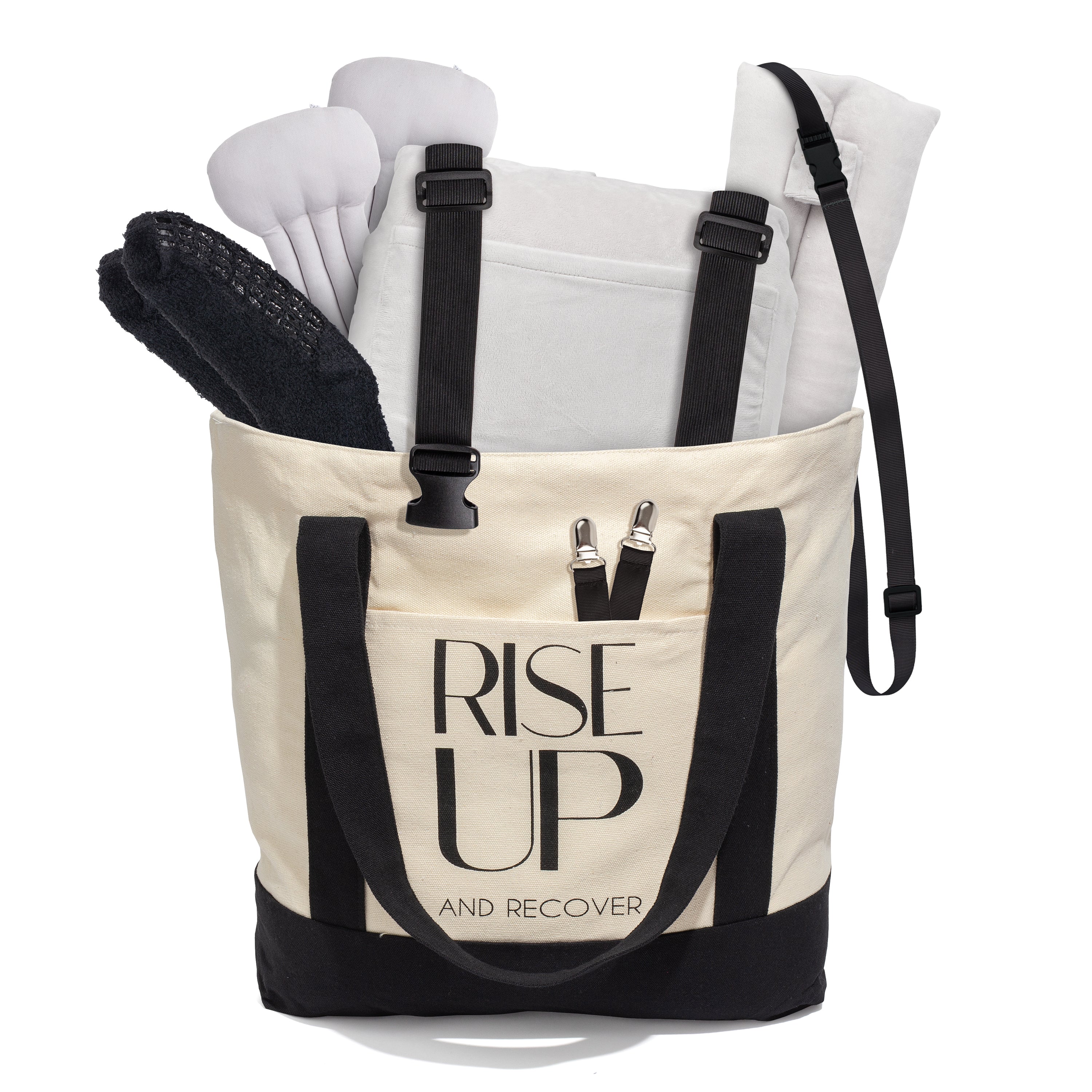
Recovery asks a lot of you, and finding peace is part of that work, not a reward at the end of it. Grace & Cadence curates practical tools for survivors and caregivers, from the Rise Up and Recover comfort kit to our Mindfulness & Self-Care collection. Our 10 Commandments to Survivorship pairs personal storytelling with reflection prompts and journaling space.

Frequently Asked Questions
Is it normal to feel lost after cancer treatment ends?
Yes. Many people describe feeling lost after cancer treatment because the structure of appointments and active treatment suddenly stops, while emotional recovery continues. You may feel adrift without a clear roadmap. This is a common part of the recovery journey, not a sign of failure. Gentle routines, journaling, and connecting with others who understand can help you find your footing again. Be patient with yourself as you adjust to this new season.
How can I cope with fear of cancer recurrence during recovery?
Coping with fear of cancer recurrence starts with acknowledging the fear without letting it run your day. Try setting aside a specific 'worry window' to process concerns, then return to the present moment with a grounding practice like slow breathing or a short walk. Open communication with your care team about scan anxiety can also help. When fear feels overwhelming, professional support from a counselor experienced in cancer recovery can make a real difference.
What can help me feel calmer after cancer treatment?
Simple, repeatable practices often help most: a few minutes of mindful breathing, gentle movement, time outdoors, or writing in a gratitude journal. Creating a calm corner at home with soft lighting and a comforting object may help you feel more at ease. A daily affirmation or reflection card may help some people feel more grounded. Start with one small practice and build from there rather than overhauling everything at once.
How can family and friends support someone during cancer recovery?
Supporting a loved one with cancer works best when you follow their lead. Ask what kind of help they want rather than assuming, offer specific practical assistance like meals or rides, and listen without trying to fix every feeling. Respect their need for rest and boundaries. Checking in regularly with a simple text can mean more than grand gestures. Caregivers also need support, so encourage them to lean on their own network and take breaks.
