
7 Steps to Using a Mindful Affirmation Journal Daily
· Terri Speid

Last Updated: November 17, 2026
Quick Summary
An affirmation journal is a notebook where you write short, positive statements about yourself and your situation, then reflect on them. Using it daily for stress management means rating your stress, writing one believable affirmation, naming a trigger, and choosing one controllable action. Consistency matters more than length.
- Choose affirmations that feel believable, since statements your mind rejects can backfire.
- Build each affirmation from the specific stressor, naming what you can control.
- Rate your stress from 1 to 10 before and after writing to notice changes.
- Review your entries once a week to spot recurring triggers and what helps.
- On low-effort days, rate stress, write one affirmation, name one action, and stop.
Table of Contents
- Why an Affirmation Journal Can Support Daily Stress Management
- Positive Affirmations for Stress and Anxiety You Can Start With
- A Simple Daily Routine: Stress Relief Journal Prompts and Weekly Review
- Frequently Asked Questions
Why an Affirmation Journal Can Support Daily Stress Management
Stress builds up quietly, a tight deadline, a difficult conversation, a restless night, leaving your thoughts running in circles. An affirmation journal gives those thoughts a calmer place to land.
An affirmation journal is a notebook where you write short, positive statements about yourself and your situation, then reflect on them.
Writing by hand can also give you time to think, sitting with your thoughts for a few quiet minutes. If you're looking for a broader practice to pair with journaling, Mindfulness & Self-Care offers a range of ideas for slowing down and tending to yourself.
Positive Affirmations for Stress and Anxiety You Can Start With
Good affirmations feel believable. If a statement feels false, your mind will push back, that's normal. The goal is a sentence your body doesn't immediately argue with.
- Overloaded day: "I can take this one step at a time."
- Rest guilt: "I am allowed to rest without earning it."
- Worry about the uncontrollable: "I can focus on what is in my control today."
- A mistake: "I can learn from this without turning it into a verdict on who I am."
Choose one or two that feel true and write them each morning, adjusting the wording to match your own voice. Our Mindful Affirmations For Health Wellbeing book is a helpful place to find more phrases.
How to Personalize an Affirmation From Your Own Stressor
Generic phrases only go so far. Build the affirmation from the specific thing pressing on you:
- Name the stressor as a fact, not a judgment, "I have a performance review on Thursday," not "I am going to fail."
- Name what is in your control, prepare three talking points, ask a coworker for feedback, sleep on time.
- Turn the controllable action into a present-tense statement: "I am preparing what I can and leaving the rest."
A believable affirmation often sits just one small step beyond how you currently feel, supportive, but not so far ahead that your mind rejects it.
If a statement triggers an immediate internal "no," soften the wording instead, "I am learning to…" or "I am open to…" often lands where a flat "I am…" does not.
For a quiet, gentle companion on hard days, A Path to Calm offers guided prompts and meditation check-ins. It is a reflective journaling companion, not a substitute for professional mental health care.

A Simple Daily Routine: Stress Relief Journal Prompts and Weekly Review
Consistency matters more than length. A short, repeatable sequence beats a long session you only manage once a week.

The Daily Sequence
- Rate your stress from 1 to 10 and jot one word for why, "7, deadline."
- Write one affirmation using the personalization method above.
- Name the trigger in one factual sentence.
- Answer one reflection prompt.
- Name one controllable action for today.
- Rate your stress again.
- Close with one specific thing you are grateful for.
A Prompt Set to Rotate Through
- What is the loudest thought in my head right now?
- What part of this is actually in my control today?
- What would I say to a friend in this exact situation?
- What is one small thing I can do in the next hour?
The Weekly Review
Once a week, Sunday evening works well, flip back through your entries and look for patterns rather than judging individual days.
- Which stressor shows up most often?
- Did my stress ratings drop, stay flat, or rise after writing?
- What is one thing I want to change about next week's rhythm?
Over a few weeks, many people find a journal becomes a light record of what tends to trigger them and what tends to help.
Low-Effort Days and Adaptations
Some days there is no time for the full sequence, and that is fine. A shortened version still counts: rate your stress, write one affirmation, name one controllable action, and stop. Typing, voice memos, or guided prompts all work, the reflection matters more than the medium.
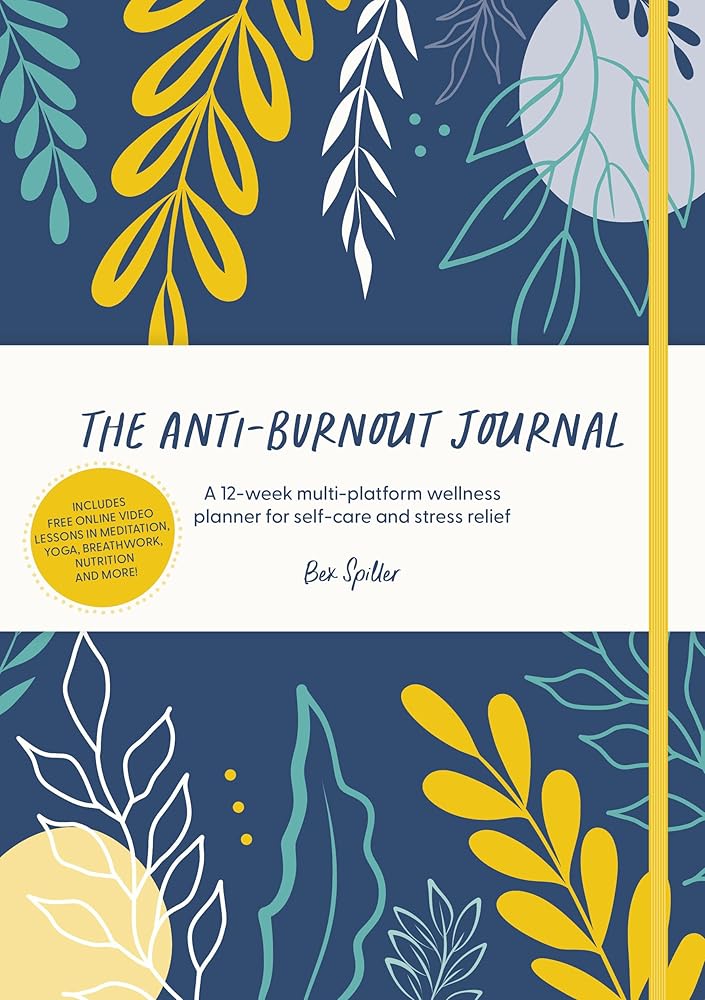
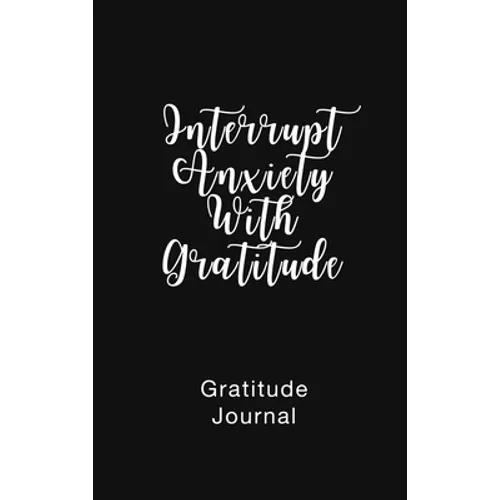
Many people like a guided journal for this rhythm. Be Present 100 Guided Prompt Journal gives you daily prompts, while Gratitude Journal Guided Daily Writing Prompts adds space for appreciation. For a structured weekly review, The Anti-Burnout Journal offers a 12-week planner built around self-care and stress relief. If sleep is part of what's keeping your stress elevated, Sleep & Relaxation is worth a look as you build your evening wind-down.
Stay gentle with yourself if you miss a day. Pick up where you left off, and let your practice grow at its own pace.
Here is a quick reference for the daily sequence and weekly review so you can scan the steps at a glance.
| Step | What to Do | Time or Frequency |
|---|---|---|
| Rate stress | Rate your stress from 1 to 10 and jot one word for why | Daily, start |
| Write affirmation | Write one affirmation using the personalization method | Daily |
| Name the trigger | Name the trigger in one factual sentence | Daily |
| Answer a prompt | Answer one reflection prompt | Daily |
| Plan one action | Name one controllable action for today | Daily |
| Re-rate stress | Rate your stress again | Daily, end |
| Close with gratitude | Name one specific thing you are grateful for | Daily, close |
| Weekly review | Look back through entries for patterns | Once a week, e.g. Sunday evening |
Ready to begin? Explore our Daily Gratitude Journal and start building a calmer routine today.
Frequently Asked Questions
Can positive affirmations help with stress and anxiety?
Positive affirmations may help some people shift how they talk to themselves during stressful moments. Writing a short, believable statement each day gives you a chance to pause and reframe worry. They work best as one part of a broader approach that includes rest, breaks, and support from people you trust. If anxiety feels overwhelming or persistent, speaking with a qualified health professional is an important next step.
How often should I write in a journal for stress management?
Many people find that a few minutes each day works well, since consistency tends to matter more than length. Some readers prefer a short morning entry paired with a brief evening check-in. Others write just a few times a week. Choose a rhythm you can realistically keep, and adjust it as your schedule changes. A gentle routine is usually easier to maintain than an ambitious one.
Is there a journal that includes daily affirmations?
Yes. The Daily Gratitude Journal - Mindfulness & Affirmations from Grace & Cadence includes space to record a positive affirmation each day, along with gratitude prompts and an introductory exercise to help you establish the habit. A Path to Calm: Mindful Guided Journal also includes affirmations, guided prompts, and a meditation tracker. Both are reflective companions that you can use alongside your everyday routine.
