
Why Faith-Based Wellness Is Different From Secular Self-Care
· Terri Speid

Last Updated: November 12, 2026
Quick Summary
Faith-based wellness differs from secular self-care because it begins with belief rather than the self, asking how you can live well with purpose instead of how you can feel better. It treats the body as something entrusted to you and draws calm from prayer, reflection, and community.
- Secular wellness starts with personal goals; faith-based wellness starts with purpose and beliefs.
- Pair one act of body care with one for your spirit daily.
- Small, repeatable spiritual practices do more than occasional big efforts.
- Start with one small practice at a fixed time daily, then add a second.
- Faith-based wellness supports well-being but does not replace professional care.
Table of Contents
- What Faith-Based Wellness Means and Why It Stands Apart
- Faith-Based Self-Care Puts Stewardship Before Optimization
- How Faith and Mental Health Work Together in Everyday Life
- How Faith-Based Wellness Differs From Secular Wellness
- What Faith-Based Wellness Covers: Mind, Body, and Soul
- Simple Spiritual Practices for Daily Life You Can Start Today
- Building a Faith-Based Wellness Routine Step by Step
- Making Room for Different Faith Traditions and Life Circumstances
- Knowing When Faith-Based Wellness Is Not Enough
- Assessing Progress Without Turning Faith Into a Score
- Frequently Asked Questions
What Faith-Based Wellness Means and Why It Stands Apart
Faith-based wellness means caring for mind, body, and soul with your beliefs at the center, starting with purpose, not performance. A guided faith journal is a gentle place to begin.

Faith-Based Self-Care Puts Stewardship Before Optimization
Faith-based self-care treats your body as entrusted to you. Pair one act of care for your body with one for your spirit daily; the Christian Faith Journal and A Heart For Journey offer structure for purpose and a biblical mindset.
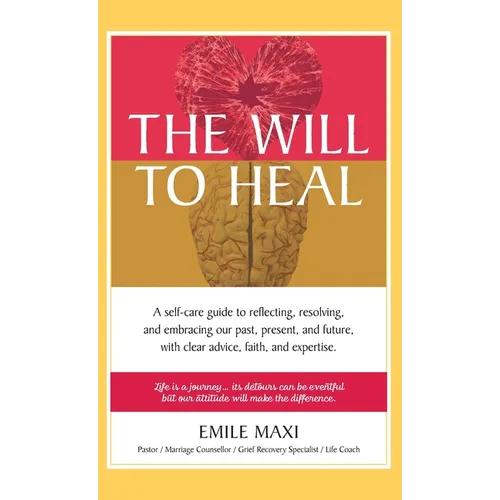

How Faith and Mental Health Work Together in Everyday Life
Faith and mental health support each other through routine, meaning, and connection, giving shape to your days and somewhere to put worry, grief, and hope. When stress runs high, our faith-based tools for anxiety are practical and easy to reach for.

How Faith-Based Wellness Differs From Secular Wellness
Secular wellness begins with the self and asks, "How can I feel better?" Faith-based wellness begins with belief and asks, "How can I live well, with purpose?"
| Focus | Secular Wellness | Faith-Based Wellness |
|---|---|---|
| Starting point | Personal goals | Purpose and beliefs |
| View of the body | Something to improve | Something entrusted to you |
| Source of calm | Techniques and tools | Prayer, reflection, and community |
Community matters too, since faith communities and social support can nourish well-being.
What Faith-Based Wellness Covers: Mind, Body, and Soul
Faith-based wellness treats mind, body, and soul as connected, including practical life. Mind grows through reflection, gratitude, and honest self-examination; body care means sleep, movement, nourishing food, rest, and asking for help; soul health comes through prayer, Scripture, worship, and stillness. Stewardship extends to money and time, our Financial Wellness collection was built around that idea.
Simple Spiritual Practices for Daily Life You Can Start Today
You don't need a long routine. Small, repeatable practices do more than occasional big efforts, start with one, then add another when it feels steady.
Building a Faith-Based Wellness Routine Step by Step
A faith-based wellness routine works best when it fits your real life, not an ideal one. For anyone navigating grief, illness, or transition, gentle structure can help.
Making Room for Different Faith Traditions and Life Circumstances
Faith-based wellness should welcome people wherever they are, including those with no clear beliefs, gratitude, stillness, and community are open to everyone.
Knowing When Faith-Based Wellness Is Not Enough
Faith-based wellness supports well-being but does not replace professional care, knowing the difference is wisdom, not weak faith. Spiritual practices sit alongside treatment, not in place of it, and there is no shame in either.
Assessing Progress Without Turning Faith Into a Score
Progress in faith-based wellness is hard to measure, and that is by design, reducing spiritual growth to a number misses the point.
Frequently Asked Questions
What does faith-based wellness mean?
Faith-based wellness means caring for your whole self, body, mind, and spirit, with your beliefs at the center rather than as an afterthought. It treats practices like prayer, reflection, and gratitude as core parts of a healthy lifestyle, alongside sleep, movement, and nutrition. Many people find this approach gives meaning to daily habits, because the motivation comes from something larger than a goal or a number on a scale.
How is faith-based wellness different from secular wellness?
Secular wellness usually measures progress through outcomes like fitness, productivity, or stress scores. Faith-based wellness asks a different question first: who am I becoming, and what gives my life purpose? That shift changes what self-care looks like. Rest becomes stewardship of the body rather than a reward, and community support carries a shared sense of belonging. The practical habits can look similar, but the reason behind them, and the way people stay with them, is often quite different.
Can faith-based wellness be inclusive of different beliefs?
Yes. While many resources use Christian language, the core idea, caring for your whole self with intention and hope, translates across traditions and levels of belief. Someone exploring spirituality for the first time can borrow the structure without adopting every doctrine. If a practice or book does not fit your background, adapt it: swap a prayer for quiet reflection, or journal about gratitude instead of scripture. The goal is a routine that feels honest and sustainable for you.
